The same work happens every week and a person does it
Collecting, reformatting, checking, filing, posting, reporting. It is not hard work, which is exactly why it never gets automated: it is always cheaper this week to just do it again.
The reason eleven products can be carried by a studio this size is that the identical parts of eleven launches are done once, by a system, and reviewed by a person before anything leaves. That system is not for sale. The way it is built is what we would build for you.
What people arrive with
Collecting, reformatting, checking, filing, posting, reporting. It is not hard work, which is exactly why it never gets automated: it is always cheaper this week to just do it again.
A model that is right most of the time is unusable in a process that has to be right every time. The fix is almost never a better prompt; it is a schema the output has to satisfy, a gate it has to pass, and a human review on the one step where being wrong is expensive.
Retries, crashes and double triggers are normal. An automation that posts twice, charges twice or emails twice because of one is not an edge case - it is the default, unless identity is designed in.
What the work includes
Scope is where a project is decided, so this list is specific rather than reassuring.
Research, build, test, review, publish, measure, improve. Automating one step of a seven-step process moves the bottleneck rather than removing it, and the measure step is the one most often left out and most worth having.
Work is identified by a deterministic hash of its own inputs, so a duplicate trigger, a retry or a crash-and-restart resolves to the same identity. Retrying is always safe, which is the property that makes automation restartable at all.
Automated checks run first and fail closed. Publishing is held behind human approval by design, not because the automation is unfinished - our own system has published nothing without a person saying so.
Every run leaves an artefact: what it decided, on what input, and why it was allowed to. That is what makes an automation debuggable six months later, and what lets you answer a question about a decision nobody remembers making.
A third-party interface will be slow, rate-limited, down, or will change a field. Each integration gets a stated behaviour for each of those, because the interesting part of an integration is never the happy path.
Not everything needs a hosted model. One of our products runs pose detection natively on the phone; another generates images against a GPU in the studio. Where the work can stay on the device it is cheaper, more private, and still works on a train.
How it runs
Not a process diagram written for this page. It is the production loop the studio already runs, which is why it has a measure step and a human gate in it.
Evidence
Everything shown as evidence on these pages is a NOVEMADE product - our idea, our money, our name on the listing. There is no client logo wall here, no testimonials and no case-study metrics, because there have been no clients to take them from. What there is instead is software you can open.
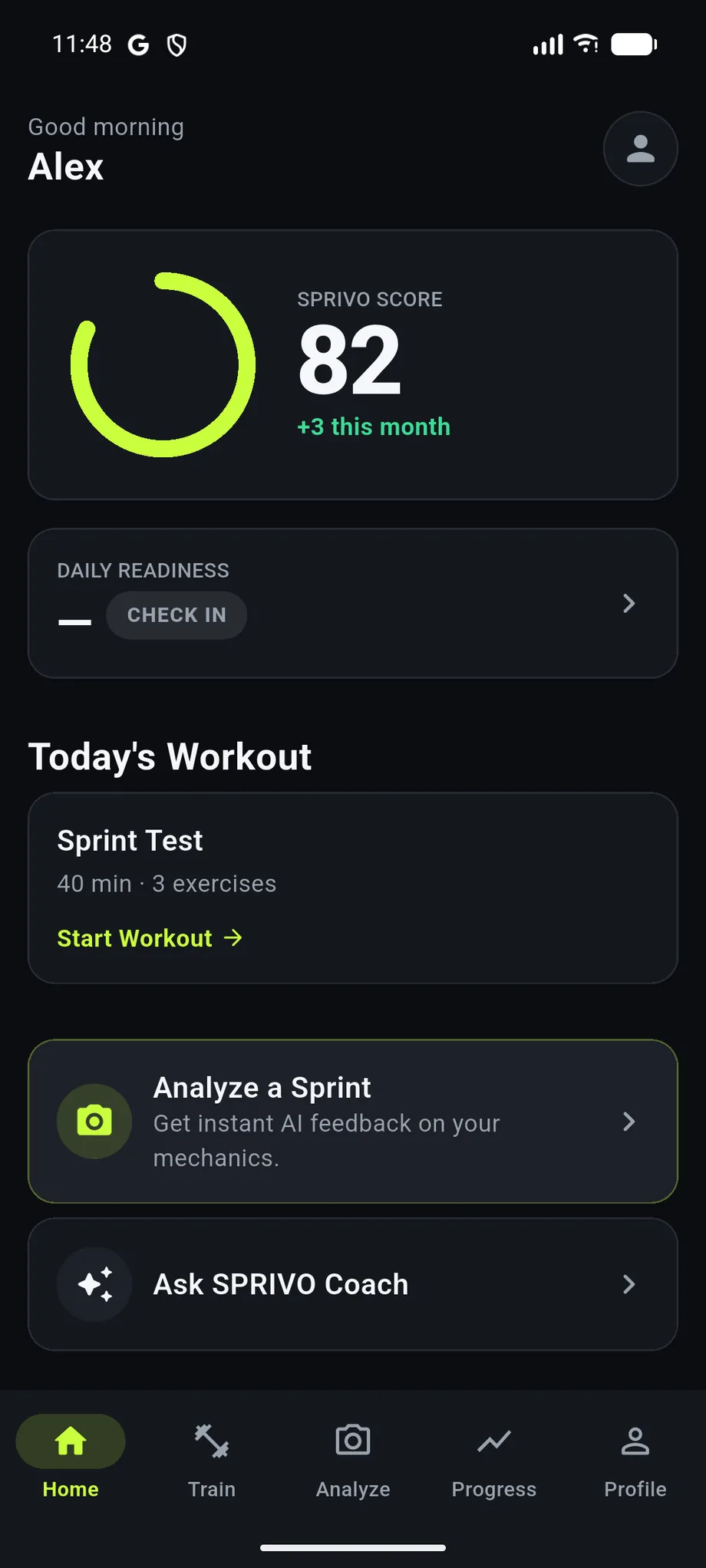
Sprint analysis, training and nutrition in one app, with the form analysis on the phone.
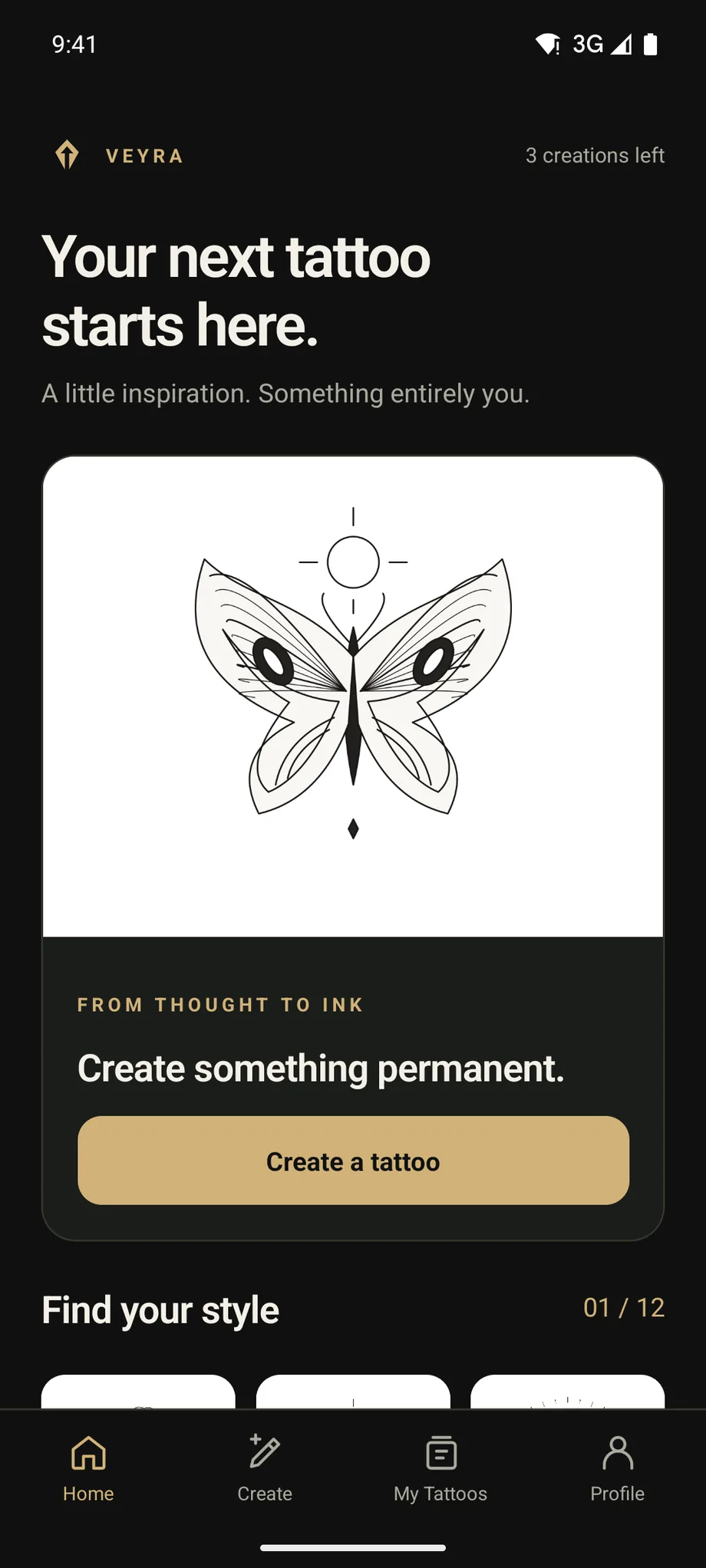
Design a tattoo, turn it into a working stencil, and see it on your own skin first.
Check it yourself
A walkthrough, not an analysis. Nothing is uploaded and nothing is computed in your browser — you step through the stages the app performs, and the report at the end is a real screen captured from SPRIVO rather than a number invented for this page.
Goes further
The expensive parts of a launch are identical every time. Sharing them is the obvious half; knowing which document to believe is the half that keeps going wrong.
Where this stops
No credentials, endpoints, machine names or internal paths appear anywhere on this site, and none would appear in your project either. We also do not sell the studio’s own production system, and we do not agree to automate a process nobody has yet written down - the writing down is the first half of the work and it is not optional.
Also from the studio
Collaborate
Publishing, partnerships, investment, or a technical conversation about how we build. Tell us which one and we will skip the rest of the form.